What a Rainforest Treehouse Actually Is
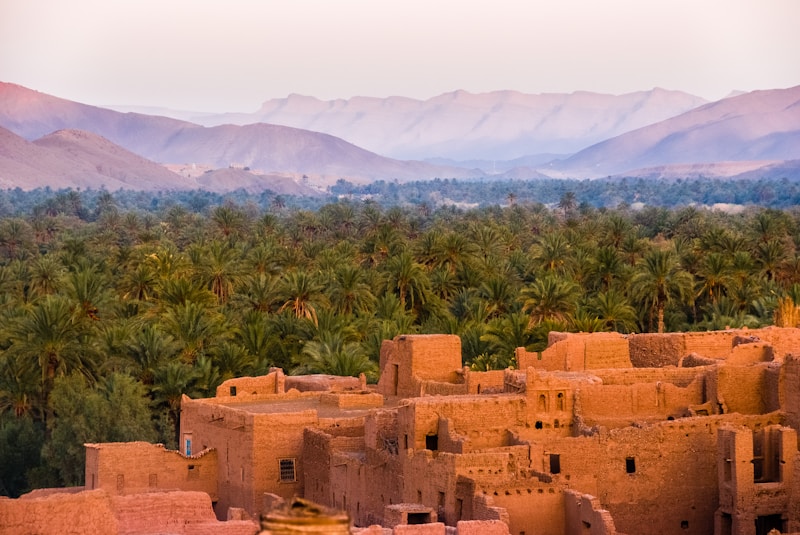
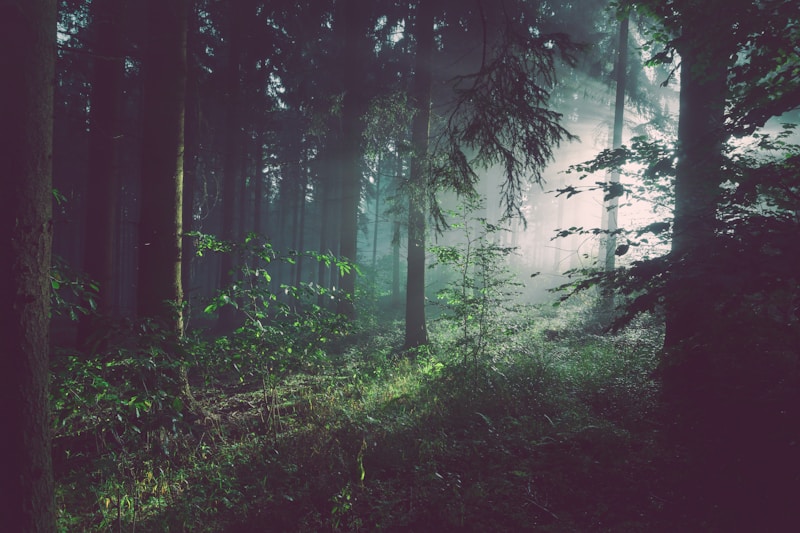
The photographs promise a wooden platform in the canopy, hornbills at dawn and mist through the trees. That part is accurate. What the photographs leave out is that these structures are usually open-air by design, screened rather than walled, which is the entire point: you are inside the forest rather than looking at it. It also means the forest is inside with you, and that is the part worth being prepared for.
The First Night
Expect not to sleep much. The rainforest has a soundtrack that does not switch off: cicadas, frogs, falling branches, and constant movement in the canopy and the leaf litter. On a first night the brain reads every one of those sounds as a threat, and geckos hunting moths on the outside of a mosquito net are loud out of all proportion to their size. Civets and other small mammals move through these camps nightly and are harmless.
By the third or fourth night the same noise reads as ordinary, and most people sleep well. Silence is the thing that should concern you in a rainforest, not noise.
What You Will See, and When
Wildlife here rewards patience and early starts rather than luck. Dawn and late afternoon are the productive windows, and midday is for shelter and shade. Danum Valley in Sabah is primary rainforest, which means a genuinely intact ecosystem: orangutans moving through the canopy, gibbons audible long before they are visible, hornbills, and, with time and some fortune, pygmy elephants or a Malay sun bear along a river bank.
Nothing is guaranteed on any single drive or walk, and a guide who tells you otherwise is selling something. Three or four days gives the odds a chance to work; one night mostly does not.
What a Day Looks Like
Mornings begin before sunrise, usually with coffee and a walk or a river drift while the mist is still lifting. The middle of the day is hot and quiet and is spent under cover. Late afternoon is the second wildlife window, followed by dinner and often a night walk, which is where the insects, frogs and sleeping birds are, and which is worth doing even if you are tired.
What to Pack
- More insect repellent than you expect to need, and long sleeves for dusk
- Leech socks, which sound absurd and are not, particularly after rain
- Earplugs, less for the night than for the dawn chorus, which starts very early and is genuinely loud
- Quick-drying clothes, because nothing cotton will dry in that humidity
- Electrolyte sachets, and a dry bag for anything electronic
Why It Costs What It Costs
Rainforest lodges in Sabah are substantially more expensive than the rest of Borneo, which surprises travellers arriving from budget-friendly towns nearby. The reasons are structural: these places are remote and everything reaches them by road and river, guiding is included and skilled, guest numbers are deliberately capped, and conservation fees fund patrols and habitat protection on land that would otherwise be worth more logged. It is one of the few travel costs where the premium has a visible purpose.
If the budget only stretches to one expensive thing in Sabah, this is a defensible place to spend it. It is also a cost that behaves differently depending on how you travel: lodges price by the room and guided drives by the vehicle, so a solo booking absorbs the whole of both. Sharing is the difference between a stretch and a splurge, which is the single supplement in its most concentrated form.
Getting There and When to Go
Danum Valley is reached from Lahad Datu in eastern Sabah, itself a short flight from Kota Kinabalu, and then a long unsealed road into the conservation area. Transfers are usually scheduled by the lodge on fixed days rather than on demand, which means arrival and departure dates are less flexible than a normal booking and need to anchor the rest of the itinerary rather than fit around it.
Borneo has no dry season in the sense that other destinations do, and rain is possible year-round. Drier months make the trails easier and the leeches fewer; wetter months make the forest more active and the river drifts better. Neither is a bad choice, but arriving expecting reliable sunshine is the wrong expectation to bring.
Choosing Where to Stay
There are broadly two tiers in the valley: a comfortable lodge with private chalets and full guiding, and a considerably more basic field-centre style option aimed at researchers and students that also takes visitors. Both put you in the same forest with the same wildlife. The difference is comfort, food and the guide-to-guest ratio, and the price gap between them is wide. Neither is the wrong answer, but book the tier you actually want rather than assuming a rainforest stay is uniformly rustic or uniformly luxurious.
Going With Someone
This is a trip where company genuinely changes the experience rather than only the price. Nights are long and dark and shared platforms make them easier. Wildlife spotting is better with two sets of eyes, and the early starts are easier to keep to when somebody else is also getting up. What it needs is agreement about the money before booking, since the deposit is usually substantial and non-refundable well in advance: splitting trip costs without resentment covers doing that cleanly. If you are considering the trip with someone you do not know well, vetting a travel companion is worth reading first, because a remote lodge is not somewhere you can easily separate.
Photography and Expectations
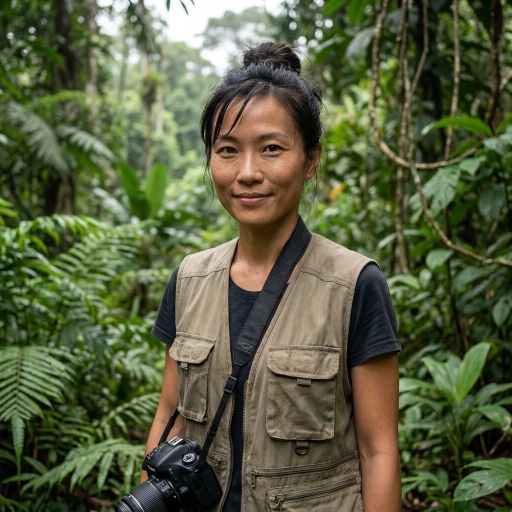
The images that sell these trips are made with long lenses over many days by people who live there. A phone will not reach an orangutan forty metres up in poor light, and the canopy is darker than it looks. Bringing that expectation is the fastest route to disappointment on an expensive trip. What a phone does capture well is the forest itself at close range: the scale of the buttress roots, the insects, the light through the canopy at dawn, and the leeches, which nobody photographs and everybody remembers.
The more useful decision is to spend at least one walk without a camera at all. Guides notice considerably more than visitors do, and the difference between a good sighting and a missed one is usually whether anyone was actually looking rather than framing.
Health and Practicalities
Check current vaccination and malaria guidance for Sabah with a travel health service well before departure, since some courses take weeks. Humidity is relentless and heat exhaustion is a more realistic risk than anything in the forest, so electrolytes and a genuinely slow pace at midday matter. There is little or no mobile signal in the valley and power is often generator-scheduled rather than constant, so download what you need and bring a battery pack.
Because the valley is remote and transfers run on fixed days, this is also a place where medical evacuation stops being an abstract insurance clause. Check what your policy covers and carry the assistance number somewhere other than your phone.
Is It Worth It
A treehouse night in Borneo is humid, loud, unpredictable and occasionally uncomfortable. It is also one of a small number of travel experiences that leaves you clearly a guest in something much older than you. Going in expecting the photograph produces disappointment. Going in expecting the forest does not.