
How Tokyo Eating Works
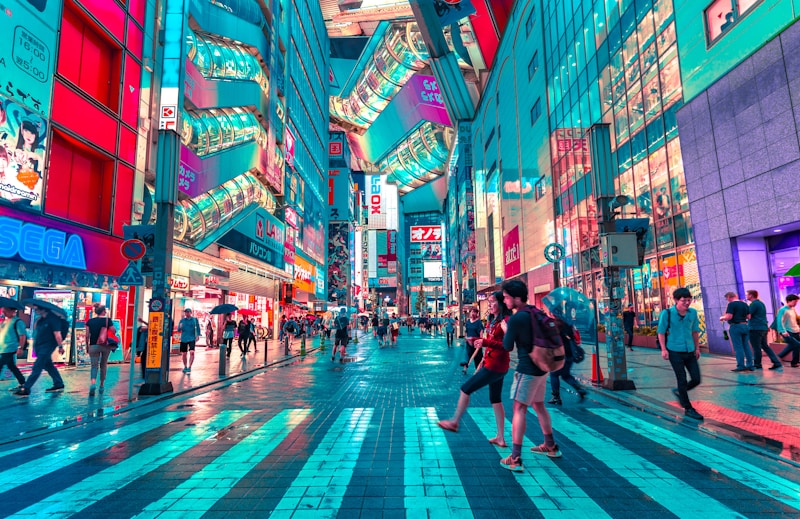
Tokyo has more restaurants than any other city, and the useful consequence is not the famous ones. It is that the median is extraordinarily high: a counter with six seats and one dish on the menu is often as good as anywhere you could book. Most places specialise in a single thing and have done for decades, which means the way to eat well here is to go to the right kind of place at the right time rather than to chase a specific name.
The other structural fact is that price and quality are only loosely connected. A bowl of ramen costs less than a sandwich in most Western capitals and is frequently the best thing you eat all week.
Day 1, Early: A Market Breakfast
Start at the Tsukiji outer market, and start early. The inner wholesale market moved to Toyosu years ago, but the outer market remains a dense grid of stalls and small counters. Tamagoyaki cooked on an iron skillet and eaten on a stick, grilled scallops, oysters, and tuna at eight in the morning are all normal here. Most stalls open early and many close in the early afternoon, so this is genuinely a morning activity rather than a flexible one.
Day 1, Lunch: Ramen
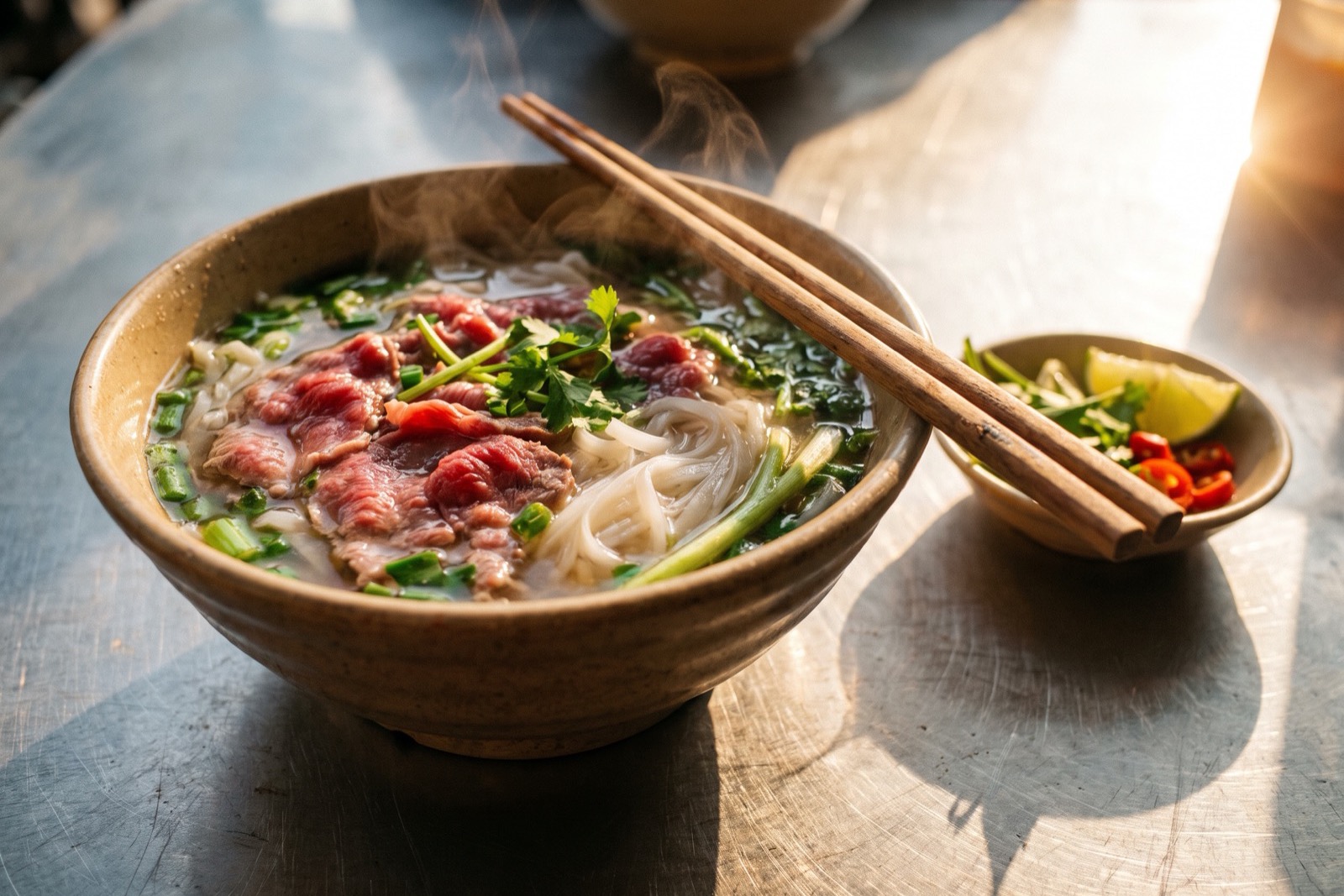
Regional ramen styles are entirely different dishes rather than variations. Tokyo's own style is shoyu: a clear soy-based broth with thin straight noodles. Sapporo is miso and heavier, Hakata is pork-bone tonkotsu, and all of them are available in Tokyo. Tsukemen, where thick noodles arrive dry and are dipped into concentrated broth, is worth trying at least once and is easier to eat slowly.
Ordering is usually via a vending machine at the door: buy a ticket, hand it over, sit down. The machines frequently have photographs, and pointing works. There is no tipping and no bill at the end.
Day 1, Evening: Izakaya
An izakaya is a drinking establishment that takes its food seriously, and it is where most of the eating in Tokyo actually happens. The arches under the tracks at Yurakucho are the atmospheric version: small rooms and outdoor tables, grilled skewers, smoke and noise. Order in rounds rather than all at once, start with whatever is grilled, and expect a small cover charge and a seating snack you did not order, which is normal rather than a scam.
Day 2, Morning: The Convenience Store, Properly
Convenience store food in Japan is genuinely good and is not a compromise. Onigiri, egg sandwiches, hot canned coffee and instant miso make a breakfast better than most hotel buffets for a fraction of the cost, and every branch has the same reliable standard. It is also the answer to an early train, a late arrival, or any moment when the timing does not suit a restaurant.
Day 2, Afternoon: Depachika
The food halls in department store basements are the single best place to eat many things at once. Immaculate bento, seasonal wagashi sweets, tempura, pickles and sashimi, all packaged to take away. Two practical notes: there is usually nowhere to sit, so this is food for a park or a hotel room, and prices are marked down substantially in the last hour before closing, which is the budget traveller's move here.
Day 2, Evening: One Proper Dinner
Two days justifies one meal that is not cheap, and the useful thing is to choose the category rather than chase a name. Yakitori at a counter where one person grills for two hours is the most reliable version. Tempura and tonkatsu specialists deliver far more than the dish suggests. Sushi at a counter with a set course removes the ordering problem entirely and is where the price range is widest.
Booking is the constraint rather than money. Many good counters seat eight people and take reservations weeks ahead, some only by phone and some only through a hotel concierge. If nothing is available, the same food is served at lunch by many of the same places for a fraction of the evening price, which is the single most useful piece of Tokyo dining arithmetic.
Ordering Without Japanese
Very little of this requires the language. Ticket machines and plastic food models cover most ordering, pointing is normal and not rude, and osusume asks for the recommendation. Cash is still expected at smaller counters despite the country's reputation for technology, so carry some. Restaurants rarely have change for large notes, and almost nowhere accepts tipping of any kind.
What Two Days Costs
You can eat extremely well here on a modest daily budget by mixing market snacks, one bowl of ramen, one izakaya evening and one depachika meal, and you can spend many multiples of that on a single kaiseki dinner if you choose to. The gap between those two is enormous and the quality difference is much smaller than the price difference, which is the most useful thing to know about eating in this city. A travel money card is worth arranging before arrival given how much of this runs on cash withdrawals.
Eating Here With Someone
Tokyo is a better eating city for two than for one, for a practical reason: many of the best places seat two at a counter easily and a solo diner at peak time is often turned away, while a group of four struggles everywhere. Sharing also solves the main problem with a 48-hour eating itinerary, which is capacity, since two people ordering three dishes see twice as much of a menu as one person ordering two.
The thing that causes friction is pace and money rather than taste: a queue that one person considers part of the experience and the other considers an hour of their day. Deciding in advance which single meal is the splurge, and that everything else is cheap, prevents most of it. Splitting trip costs without resentment covers the method for exactly this kind of shared-and-personal spending.
Eating Alone Here
Tokyo is one of the easiest major cities in the world in which to eat alone, and that is worth saying because it is unusual. Counter seating is the default rather than the consolation, ramen shops have single booths designed for it, and nobody registers a solo diner as unusual at any price point. A solo traveller can eat at almost every kind of place on this list without adjusting anything except the reservation problem at the very top end, where a party of two is genuinely easier to seat.
The practical exception is the izakaya, which is built around sharing plates in a group and works less well for one. That is the meal to save for a night you have company, or to replace with a counter that serves the same food in single portions.
Final Bite
Keep a short list and leave room around it. The best meals in Tokyo are usually the ones nobody planned: the counter with a queue of office workers at twenty to twelve, the place that only does one thing, the basement you walked past twice. A city this dense rewards curiosity considerably more than research.