
Start Here: What This Checklist Covers
Solo trips feel bigger before they begin. This solo travel safety checklist keeps the prep simple so you can focus on the fun. It covers the essentials first-time travelers ask about: what to pack, how to stay connected, hotel room safety, and smarter habits on the move. If you only do one thing before you go, download offline maps and set a check-in routine; those two steps solve half of first-trip stress.
The destination itself does some of the safety work for you. A first solo trip to a city with reliable public transit, a low language barrier, and a well-worn tourist route (think Lisbon, Tokyo, or Copenhagen over a place with patchy infrastructure) means fewer decisions to get wrong while you're still building the habits below. That's not a rule against ambitious first trips, just a reason to save the harder ones for your second or third, once the routines here feel automatic instead of effortful. Plenty of first-timers eventually work up to something bolder, like a solo trip through Morocco; the habits below are what make that jump feel manageable instead of reckless.
Before You Book
Research smart, not forever. Skim recent traveler reports for the neighborhoods you'll stay in, note late-night transport options and any common scams. Confirm entry rules (visa, eTA, passport validity), local holidays, and typical opening hours. Insurance and documentation matter too: carry digital and paper backups of your ID, policy, and tickets. Add an emergency contact card in your wallet with your name, blood type if known, allergies, and a local embassy number.
Pack a Small Safety Kit
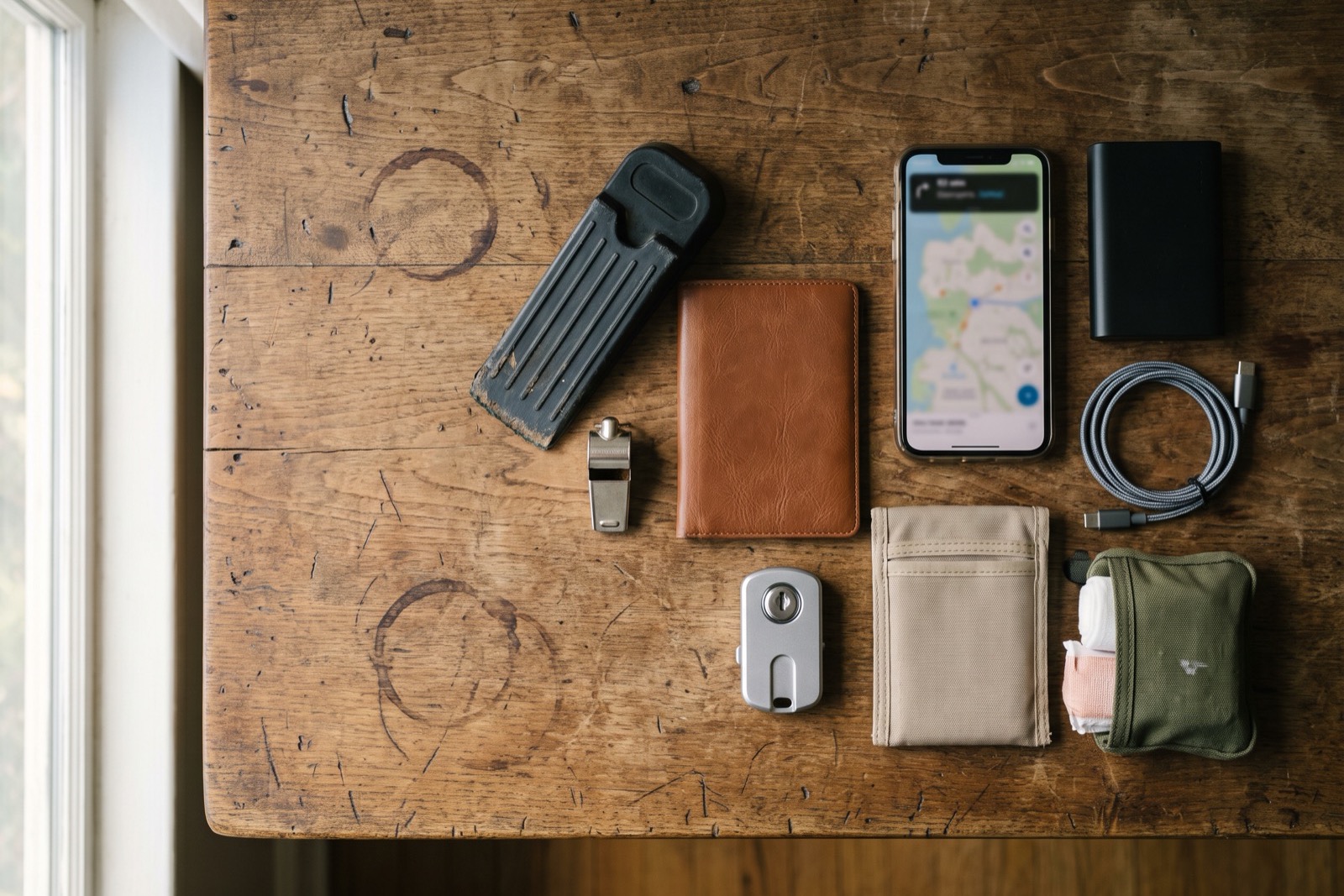
You do not need tactical gear. A light kit is enough: a portable door lock and rubber door wedge for inward-opening doors, a phone loaded with offline maps, a power bank in the 10 to 20 thousand mAh range with its cable, a small first-aid kit for bandages and blister care and pain relief and personal meds, a whistle, a neck wallet or slim pouch for your passport and a spare card, and two photocopies of your passport stored separately from each other.
Skip the bulky locks and anything that looks tactical enough to get you pulled aside at security. If a tool makes you anxious to carry, swap it for a simpler habit instead, like asking for a well-lit pickup zone and sitting behind the driver in rideshares. None of this needs to look like gear for a different kind of trip; it's just what a solo traveller ends up carrying once the anxiety wears off.
Stay Connected, Even Offline
Staying connected doesn't mean staying online every minute. Add an eSIM or turn on roaming before you fly, and test your messaging apps over Wi-Fi first. Download offline maps for the whole city plus the transit layer, and star your accommodation, the nearest station or airport, and a pharmacy that's open late. Set up your phone's SOS or medical ID feature, and save local emergency numbers along with your hotel's address both on your phone and on a paper card in your bag. Agree on a check-in routine with someone at home: a text when you land, one when you check in, one for out and back each day. A shared note with your flight and stay details makes this easier for both of you.
En Route and On Arrival
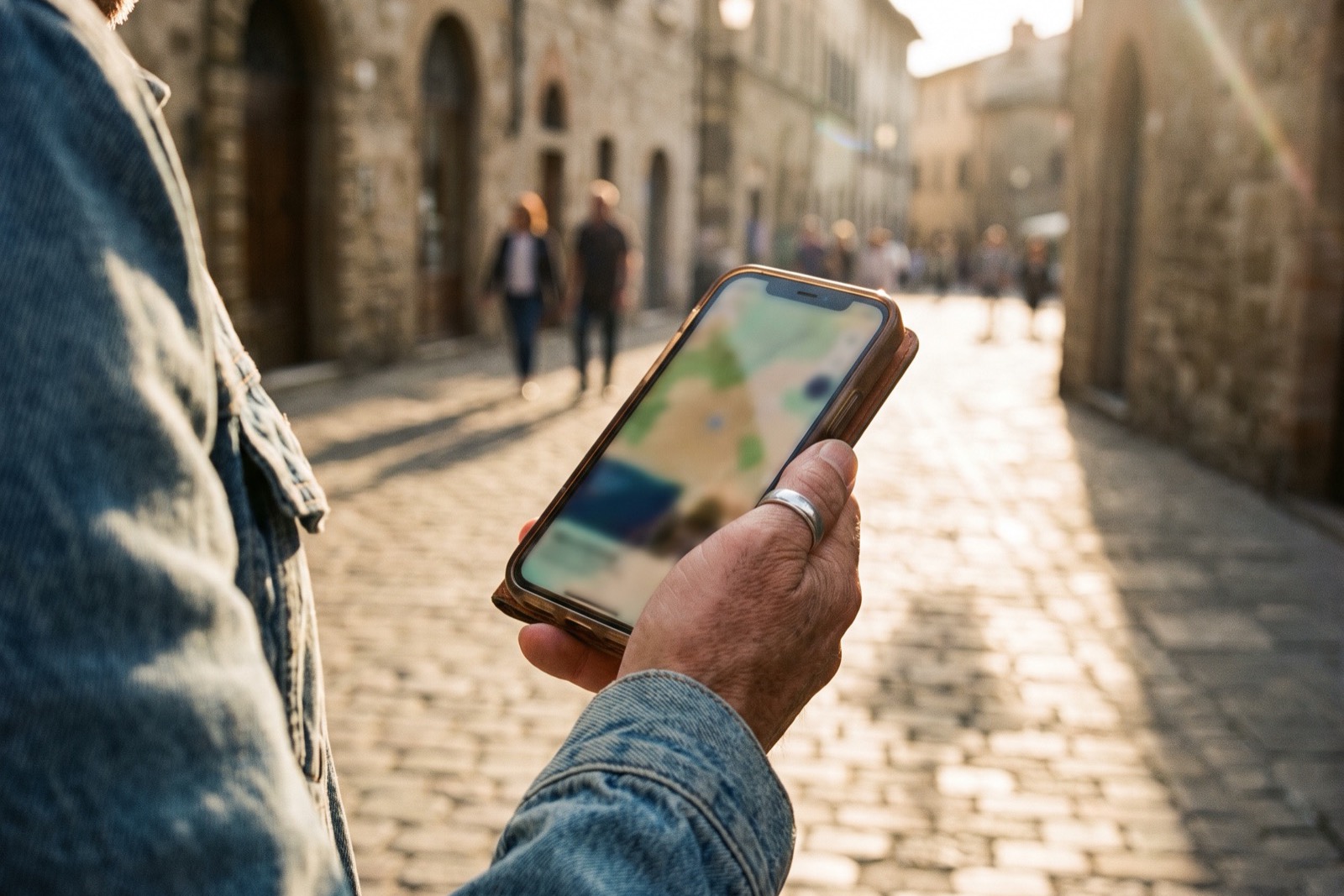
Airports and stations reward a little paranoia. Keep one earbud out, loop your bag strap through a chair leg if you're seated, and never repack your bag on an open platform where everything you own is visible at once. For rideshares, match the plate, the car model, and the driver's name before you get in, and ask who they're picking up rather than confirming your own name first. Official travel safety advisories say the same thing in blunter language: confirm before you get in, not after. Share your trip with a friend, sit in the rear passenger seat, and check that the child locks aren't engaged. Split your cash and cards into a small spending wallet and a separate backup, so a bad afternoon costs you less.
Hotel Room Safety
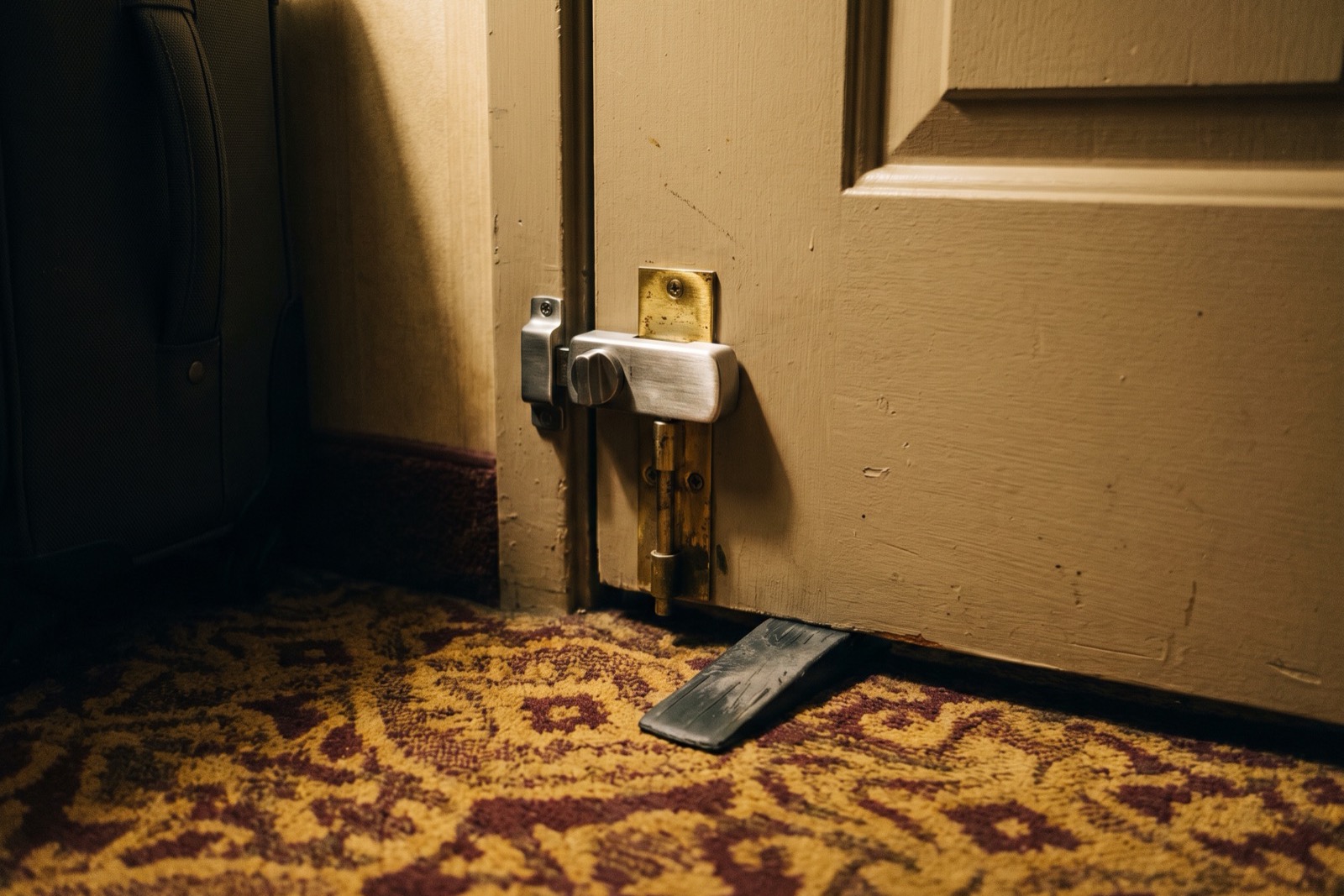
Hotel rooms deserve thirty seconds of attention the moment you walk in: check the exits, notice who can see into the room from outside, and test the window and door latches. If the door opens inward, a portable lock plus a small wedge at night adds real friction for anyone trying to get in. Use the Do Not Disturb sign when you're inside, and store your passport and backup card in the room safe or a locking pouch rather than an open drawer. If you'd rather skip housekeeping, say so at the desk and ask for fresh towels instead.
Out and About
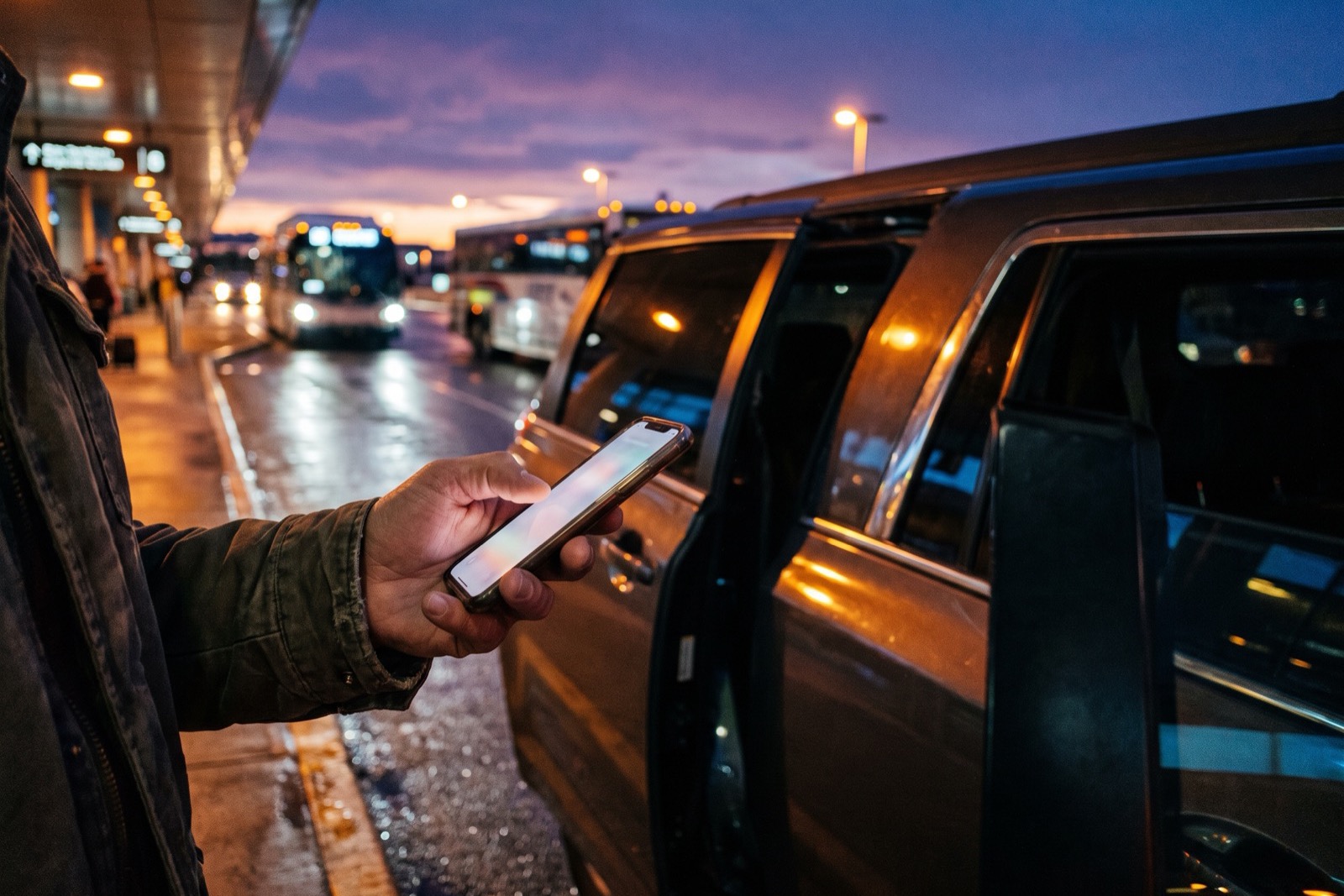
Out on the street, walk with a plan rather than a phone glued to your face. Pick your first stop before you leave, glance at transit times in advance, and save the deep map-reading for somewhere you can stand still. Pay by card when you can, and keep a little cash on hand for transit and tips and small kiosks that don't take anything else. In the evenings, stick to well-lit routes, skip closing down a bar alone, and set yourself a rough time to be back.
The First-Timer Checklist (Printable)
Here's the condensed version for your notes app or a printed page.
Before the trip: book lodging near transit and save the address in two places; buy travel insurance and store the policy and claim numbers; share your itinerary and check-in times with someone you trust; download offline maps and star your key stops; add emergency numbers with an SOS shortcut enabled.
Packing: your passport plus two copies; a backup card and a little cash; the door lock and wedge; a small first-aid kit; a whistle; a power bank and cable; a universal adapter if you need one.
On arrival: verify the rideshare's plate and driver before getting in; sit rear passenger-side; share your trip; keep your bag zipped until you're inside instead of repacking at the curb.
At the hotel: check the locks; keep valuables out of sight; use the portable lock and wedge at night if the door opens inward; decide your housekeeping preference up front.
Every day: set your out-and-back check-ins; keep a spending wallet separate from your backup cash; remember that being tired affects your judgment more than any single item on this list.
None of this is meant to make solo travel sound riskier than it is; most of a first trip goes fine without any of these steps getting tested. They're worth doing anyway, the same way a seatbelt is worth wearing on a drive that's almost certainly uneventful. And if part of what's making a first solo trip feel daunting is the idea of doing all of it alone, VoyageVixen's community boards are worth a look before you go: other travelers post their own routes and dates, and it's an easy way to find someone heading through the same city in the same week without committing to a full group tour.