
The Case for Trains
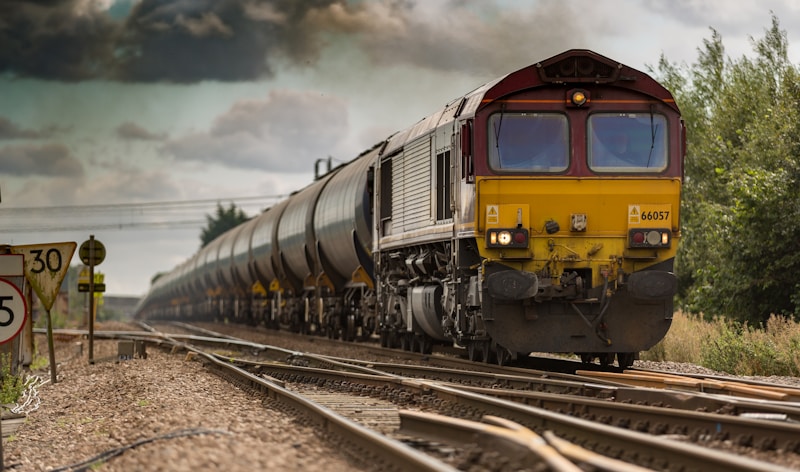
A two-hour flight between European cities rarely takes two hours. Add the journey to an out-of-town airport, security, the gate, and the transfer back into a city centre at the other end, and it becomes most of a day during which you see nothing. Trains leave from the middle of one city and arrive in the middle of another, and the hours in between are usable rather than merely endured. On several of the routes below, the hours in between are the point.
1. Glacier Express, Switzerland
The cinematic one, running between Zermatt and St Moritz across high viaducts and through deep valleys over roughly eight hours. Panoramic carriages with curved windows cost more and are what most people picture, but standard regional trains cover much of the same track for considerably less if you are willing to change and to sit by an ordinary window. Reservations are compulsory on the named service and sell out in season.
2. Bernina Line, Chur to Tirano
A UNESCO-listed route that climbs above two thousand metres without a rack system and descends into Italy in a single journey, from glaciers to palm trees in a few hours. The regional service on the same line is dramatically cheaper than the branded express and stops more often, which most people prefer. Sit on the right heading south for the Brusio spiral viaduct.
3. West Highland Line, Scotland
Glasgow to Mallaig across Rannoch Moor and past the Glenfinnan Viaduct, ending at a ferry port for Skye and the Small Isles. It is an ordinary scheduled service at an ordinary fare, which makes it the best value on this list. Poor weather improves it rather than spoiling it; the moor in low cloud is the version worth having.
4. Cinque Terre Regional Line, Italy
Not one journey but a sequence of very short hops between five coastal villages, used as a shuttle while you walk the paths between them. A regional card covers unlimited travel on the line for a day, and the calculation is simple: it pays for itself in about four journeys. Travel early or late, since the middle of the day is when the day-trip crowds are densest.
5. Semmering Railway, Austria
The oldest mountain railway in Europe and the least known route here, running from Gloggnitz over the pass on stone viaducts built in the 1850s. It is a normal commuter line on a normal ticket, takes about an hour, and is easily done as a half-day trip from Vienna, which makes it the most accessible entry on this list.
How to Book Without Overpaying
- Book long-distance and named scenic services well ahead; advance fares are released on a schedule and rise as they sell
- Use regional services on scenic corridors, which frequently share the track with the branded train at a fraction of the cost
- Check whether a reservation is compulsory, since a pass alone will not seat you
- Consider one sleeper leg, which replaces a night of accommodation as well as a journey
- Buy from the operating country's own railway site where possible rather than a reseller
Travelling These Routes Together
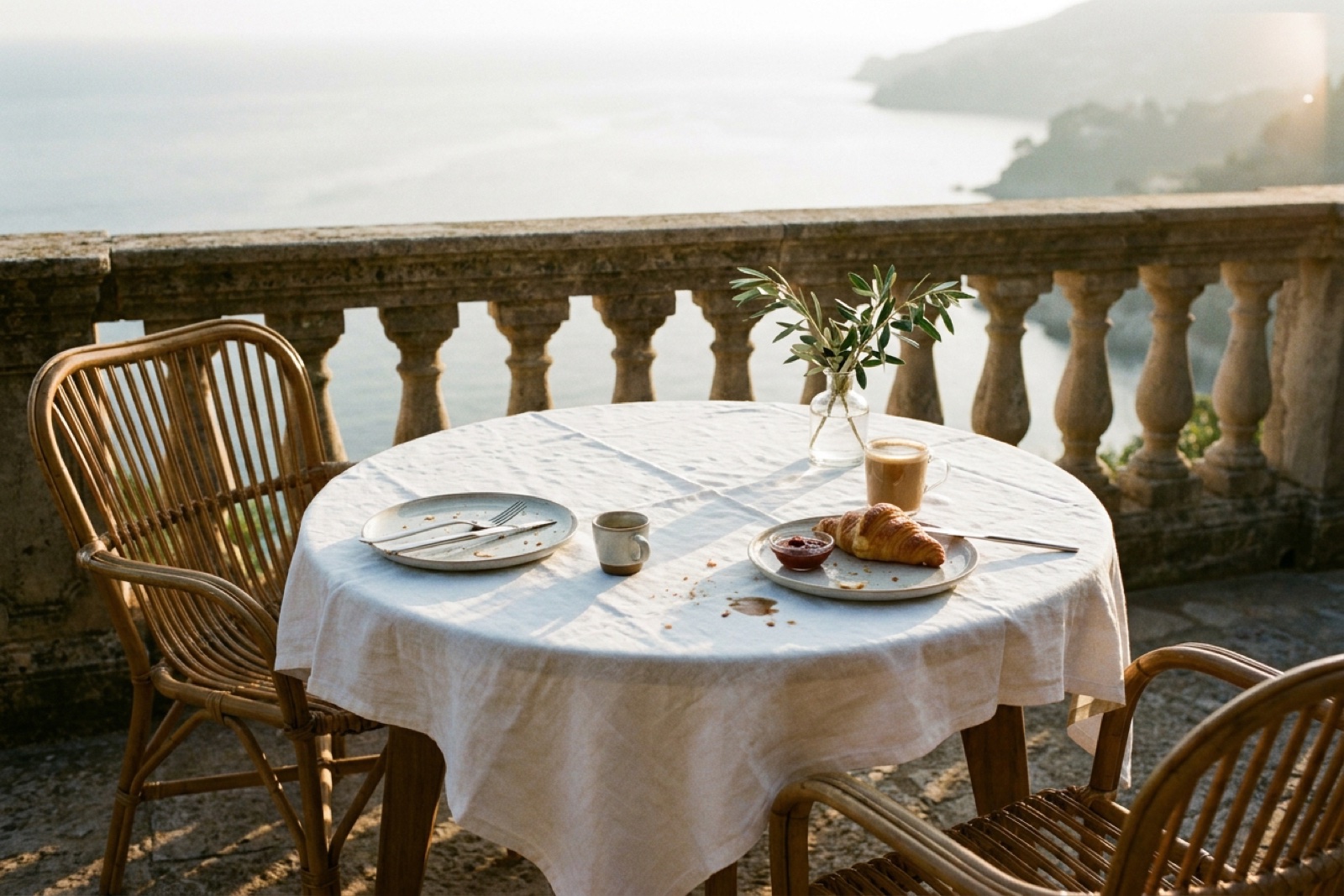
Train travel is the format that suits two people best, and for reasons that are more practical than romantic. Seat reservations are easier to secure in pairs than in larger groups, luggage can be watched while one person finds coffee, and the long stretches that a solo traveller spends reading are the ones that make the journey rather than fill it. Sleeper compartments are also priced in a way that punishes solo travel heavily, since a berth in a shared compartment or the whole cabin are frequently the only two options, which is the single supplement in another form.
What needs agreeing is pace. A rail itinerary is a series of fixed departures, and the difference between someone who wants to arrive at the platform twenty minutes early and someone who runs for trains is the single most reliable source of friction on this kind of trip. It is worth naming before the tickets are booked rather than discovering it at a barrier: what to agree before you book covers the rest of that conversation.
Practicalities Worth Knowing
Luggage on European trains is self-service and unbooked: there are racks at the carriage ends and above the seats, and nobody moves your bag for you. That makes a case for packing to what you can lift, particularly on routes with short platform stops in mountain stations. Station food is expensive and onboard catering more so, so the refillable bottle and a supermarket stop before departure are worth the five minutes.
Border crossings on these routes pass without a stop within the Schengen area, but the Bernina line crosses into Italy and the practical effect is on mobile roaming rather than passports. Check whether your plan covers Switzerland, which is frequently excluded from European roaming bundles and catches people out mid-journey.
Choosing Which One
If you want the photograph, take the Bernina line, which packs the most scenery into the shortest journey and costs the least of the alpine options on a regional ticket. If you want the day out, take the West Highland Line, which needs no planning and no reservation. If you want the trip to be built around the train, the Glacier Express is the one that justifies it. And if you have half a day in Vienna and no plan, the Semmering is the easiest yes on this list.
When a Flight Still Makes Sense
There are real exceptions. Severe weather disruption, industrial action on your corridor, or a genuinely long crossing that has to happen in one day are all cases where flying is the sensible answer. The useful default is trains first and flights by exception, rather than the reverse, which is how most itineraries are still planned.
Rail Against Flying on Cost
The comparison is less lopsided than it looks once the full journey is counted. A cheap fare rarely includes a checked bag, and the baggage allowance on the lowest fares is now small enough that the extras frequently double the headline price. Add two airport transfers, and the door-to-door cost of a short flight often lands close to an advance rail fare that required no transfers and no allowance at all.
Where flying still wins clearly is long diagonal crossings, which is why the honest framing is not that trains are always cheaper but that they are usually competitive on the routes where the scenery is the reason to go anyway.
Final Perspective
Trains reframe Europe as one connected place rather than a list of airports, which is a different way of planning a trip rather than merely a different way of moving through one. You arrive closer to where you actually want to be, you spend less energy on transfer friction, and you get the thing a flight structurally cannot provide, which is the context between two places.