Why Skip Lisbon
Lisbon is worth going to, and this route is not an argument against it. It is an argument for the version of Portugal that begins about an hour outside it: quieter roads, lower prices, and landscapes that change completely every hundred kilometres. Ten days is enough to cross three of them properly, and not enough to add a capital city to the end without rushing the rest.
This route needs a car. Portugal's trains are good between the major cities and thin everywhere this itinerary goes, so the interior and the western Algarve are effectively road country.
Days 1–3: Alentejo
The interior is the emptiest part of the country and the least like the postcard: cork oak and olive groves, wheat, and whitewashed villages spaced far apart. Évora makes the obvious base, a walled UNESCO-listed city with a Roman temple, a cathedral worth the climb to the roof, and the Capela dos Ossos, a chapel lined with human bones, which is exactly as unsettling as it sounds.
Give one full day to Monsaraz, a small fortified hilltop village above a reservoir, and stay for the evening: the surrounding area is a designated dark-sky reserve and the night sky is genuinely the attraction. Small wine producers across the region take visitors by appointment and are considerably better value than the tasting rooms nearer the coast, but they do need calling ahead.
Days 4–6: The Wild Western Algarve
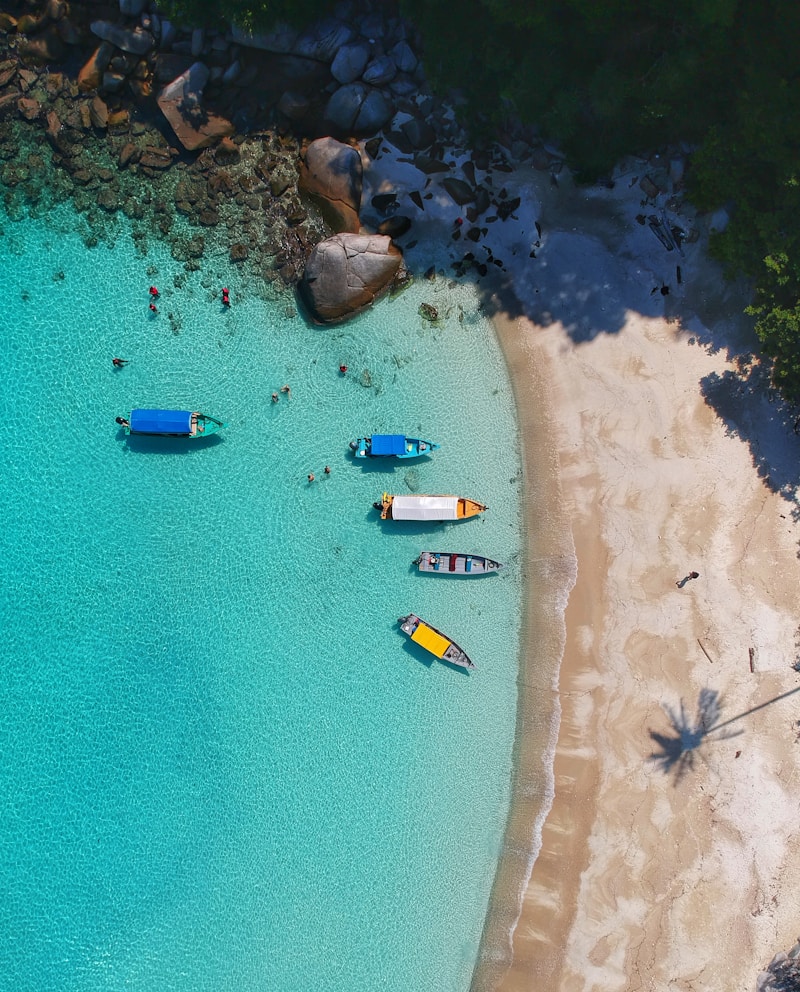
Most Algarve traffic goes to the central strip around Albufeira and Lagos. The west coast, running north from Sagres along the Costa Vicentina, is a different proposition: raw cliffs, Atlantic surf, and villages built around fishing and surfing rather than package tourism. Vila do Bispo works as a base, with Praia do Castelejo, Cordoama and Arrifana all within short drives.
Bring layers even in high summer. The Atlantic wind on this coast can drop the temperature sharply in the late afternoon, and the water is markedly colder than the south-facing beaches an hour away.
Days 7–8: Coimbra and the Centre
Coimbra breaks the long drive north and is the better stop for it. The old university on the hill is one of the oldest in Europe and its baroque library is worth booking a timed entry for. Accommodation costs noticeably less than Porto, and the walk down through the old town at dusk and across the Mondego is the best hour of the day here.
With a car, the schist villages inland, Talasnal and Cerdeira among them, make a good half-day: restored stone settlements on steep wooded slopes that were largely abandoned and have been carefully brought back. The roads to them are narrow and slow, which is the main thing to plan around.
Days 9–10: Porto
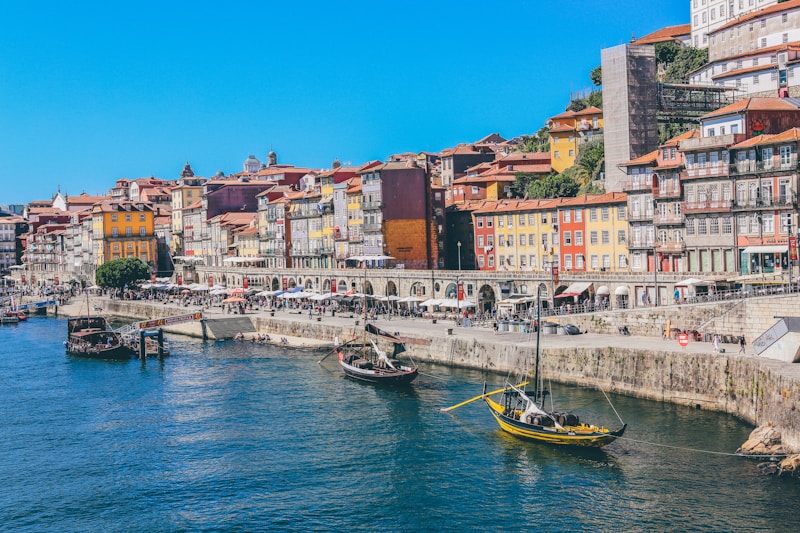
Finishing in Porto rather than Lisbon keeps the route linear and ends it on the coast. Two days covers the Ribeira waterfront, the port lodges across the river in Vila Nova de Gaia, and a long lunch in Matosinhos, where the grilled fish is the point. Keep the final morning free rather than scheduling it; Porto is a good city to have coffee in and not much else.
Driving It
The distances look small and take longer than they look. The interior and the west coast are single-carriageway roads through villages, and the motorway network, while good, does not go where this itinerary goes. Budget on averaging well below motorway speeds for most of the route, and treat any day with more than three hours of driving as a driving day rather than a sightseeing one with a transfer attached.
An automatic gearbox is worth requesting explicitly if you need one, since manual is the default and automatics are limited and more expensive. Parking in Évora, Coimbra and Porto is the other recurring friction: all three have restricted historic centres, and accommodation with parking is worth paying a little more for rather than circling.
When to Go
Late spring and early autumn are the best windows for this particular route, because it combines an interior that gets extremely hot in high summer with an Atlantic coast that is cool and windy year-round. July and August make Alentejo genuinely uncomfortable in the middle of the day and fill the Algarve. Winter is mild, very quiet and much cheaper, with the trade that Atlantic weather dominates the coastal section and some rural restaurants close.
What It Costs
Portugal is among the better value countries in western Europe, though the gap has narrowed. The four costs to plan for are car hire, fuel and motorway tolls, accommodation, and eating. Tolls are the one people forget: several of the motorways are electronic-only and hire cars usually carry a transponder that bills afterwards, so check how your rental handles it rather than assuming.
Eating is where the value is most obvious. The set lunch menu, the prato do dia, is served in almost every small restaurant and is a fraction of what the same meal costs in the evening. Building the day around a large lunch and a light dinner is both cheaper and closer to how the country actually eats. A realistic travel budget for this route should carry a buffer for fuel and tolls specifically, since they scale with the driving and this itinerary does a lot of it.
Doing It With Someone
This is a route where a second person changes the economics more than most. The car is the single largest cost and is priced per vehicle, not per person, as is the fuel and every toll. Accommodation is priced per room. Two people travelling this itinerary pay very little more than one, which is unusual and is the reason a road trip is often the cheapest way for a pair to travel and one of the more expensive ways to travel alone.
The thing to settle first is driving. Ten days of Portuguese back roads is a lot of hours behind the wheel, and whether both of you are insured to drive, and actually willing to, is worth establishing before the booking rather than at the rental desk. Agree how fuel, tolls and the deposit are handled at the same time: splitting trip costs without resentment covers a method that works for shared vehicle costs, which are the awkward ones.
Where to Stay Along the Route
Accommodation on this route divides into three kinds and the choice matters more than usual because you are moving every two or three days. Guesthouses and small family-run places dominate the interior and are the best value, though many take cash only and few have staffed reception in the evening, so arrival times need confirming. On the west coast, surf-oriented places blur the line between a hostel and a small hotel and are sociable in a way the interior is not. In Coimbra and Porto, a small boutique hotel in the old town costs less than the equivalent in Lisbon and saves the parking problem if it has a space.
Book the Évora and Porto nights first. Both fill, and both are the anchors the rest of the route hangs off.
Final Thought
Skipping the capital does not mean skipping the highlights. It means a slower, wider, less curated version of the country, with more driving and fewer queues. Ten days is enough for the contrast between the interior, the Atlantic coast and the north to actually register, which is the thing a single-city trip cannot give you.